
Open-Ended Questions: The Key to Better Customer Insights (And How To Use Them Effectively)

Prerana Sastri
Content Marketing Manager
Open-ended questions have always been a quiet superpower for insights teams.
When people answer in their own words, you hear what actually matters to them instead of asking them to tick predefined boxes.
In our survey of 50 research buyers and agencies, 1 in 2 (47%) said they rely on open-ends in nearly all their studies, while just 3% told us they rarely use them.
Let’s dig into why open-ended feedback is so valuable and how to use it effectively to supercharge your surveys and why most insights professionals see open-ends as a must-have in their toolkit.
The return of open-ends
In an era obsessed with AI and dashboards, you might expect open text to be on the decline. Instead, it’s the opposite.
Across insights professionals – from market researchers to product managers and CX leaders – we’re seeing a renewed appreciation for open-ended feedback. In our poll of 50 insights professionals, about two-thirds said they plan to increase their use of open-ends in 2025 & 2026. The rest expect to keep usage steady. No one said they’ll use less.
The reason for this comeback is simple: open-ends give you something closed questions almost never do, reality in your customers’ own language.
So what exactly do open-ended questions bring to the table?
Why Insights Teams Love Open-Ended Questions
Bias & coverage
Open-ended responses let people speak freely, in their own language. You get opinions that are not boxed in by predefined choices.
Fixed multiple-choice answers can unintentionally bias what respondents say. They often channel people into talking only about the topics you listed. Open prompts, on the other hand, reveal a wider range of concerns.
For example, when voters in a post-election Pew survey were shown a closed list of issues, 58% picked “the economy” as a top concern.
When they were instead asked an open-ended question, only 35% mentioned the economy at all.
With the closed list, fewer than 10% named an issue that wasn’t among the options, whereas with the open-ended question, 43% brought up something that wasn’t on the list.
In short, open questions help you uncover unanticipated insights that closed questions might miss. You hear about what truly matters to customers, including topics you did not think to ask about.
"If you ask very open questions, then you’re getting unexpected insights. It makes it easier to collect feedback. People enjoy telling you their opinion. You collect a large amount of answers. But then you’re left with unstructured data.
If you ask very open questions, then you’re getting unexpected insights. It makes it easier to collect feedback. People enjoy telling you their opinion. You collect a large amount of answers. But then you’re left with unstructured data.
Matthias Strodtkötter
Head of Product

Richer details
As respondents aren’t constrained, open-ends often capture the nuance, emotion, and context behind their answers. You don’t just see what someone thinks, you learn why.
Those rich details and personal anecdotes provide depth – the kind of color you’d never get from a strict multiple-choice form. Sometimes you even get unforgettable gems of feedback: for instance, one airline passenger humorously quipped that he “entered the plane normally, but left with a sore bum,” vividly highlighting a seat-comfort issue. Such candid gems make it clear why insights folks love open-ends – they surface real, human stories behind the numbers.
Drive better decisions
Open-ended feedback doesn’t just make for interesting reading, it’s actionable.
By capturing sentiment and root causes, it helps you prioritize what to fix or improve. A customer satisfaction score alone might tell you that something is wrong (e.g., 20% are dissatisfied), but the open-ended comments will tell you why (“The app keeps freezing at checkout”).
For example, MediaMarkt used open-text survey feedback to spot constant complaints about long waits at pickup stations and responded by adding locker stations alongside in-store counters to reduce queues and give customers more flexibility.
This qualitative context supports better decisions. In our industry poll, most insights professionals said they plan to keep or increase their use of open-ended questions because they provide clearer, more actionable input than scores alone.
Improved data quality
Open responses can also improve data quality in ways you might not expect.
Because respondents have to think and type their own answer, you’re more likely to get considered, honest input rather than someone mindlessly clicking through options. And if a respondent isn’t taking the survey seriously (or if you have a bot or “professional survey taker”), it’s much easier to spot nonsense in an open-ended reply. Gibberish answers or off-topic rants are clear red flags you can filter out, whereas random picks on a multiple-choice grid can be harder to detect.
In essence, open-ends let genuine customer voices shine through while making low-effort or fraudulent responses stand out. This helps ensure the insights you act on are based on real opinions, not artifacts of poorly-fit choices or bad data.
Best practices for designing surveys with open-ends
Score + ask why
One of the strongest survey setups is simple: score first, “why” second.
Start with a quick rating, NPS, stars, or a 1 to 10 satisfaction scale, then follow up with an open question such as:
“What is the main reason for your score?”
“How could we improve your experience?”
This combo gives you the best of both worlds. You get a metric you can track over time and rich context to explain it. The key is not to add this after every single question. Use it at a few key moments, such as after overall satisfaction or NPS. When used selectively, these open-ends unlock deep “why” insights without tiring your respondents.
Decreased questionnaire fatigue
A well-crafted open-end can replace many closed questions, helping keep surveys shorter and more engaging.
At first glance, open-ends look like more work for respondents. But when used well, a single open text box can replace a whole cluster of checkbox questions.
Instead of asking ten granular questions about every tiny aspect of an experience, one good open prompt works better. For example:
“Tell us about your experience today – what worked well and what could we improve?”
While there’s no universal “magic number,” evidence indicates that very short surveys (just a few items) maximize completion, and that one well-placed open-ended question is reasonable. Especially if it appears earlier rather than later. Because open-ends add respondent burden, use them sparingly and strategically to minimize fatigue while capturing richer insights.
The key is to use them strategically rather than sprinkling open text boxes everywhere.
How many open-ends is too many?
Of course, there’s a limit to how many open-ends is too many for your respondents & the team analysing them. We analyzed 100k+ projects in Caplena and looked at:
The share of empty answers
The response rate to open-ended questions
…as a function of how many open-ends were included in a survey.
The trend is non-linear and very clear:
Up to about 5–6 open-ends, response rates remain relatively healthy.
After that, drop-off rises sharply and blank responses climb.
In addition, use this as a quick checklist when you write or review your survey.
Be specific and give context. Anchor the question in a concrete moment, for example, “How was your experience on your last flight with us?” instead of “What do you think of our brand?”.
Keep likes and dislikes together. Ask “What worked well and what could we improve?” rather than separate “likes” and “dislikes” questions. You can separate positive and negative themes later.
Use neutral, clear wording. Avoid loaded phrasing like “Why was the service bad?”. Ask “What could we improve about your experience?” instead so you do not steer the answer.
Will open feedback still be relevant with chatbots, voice input, and generative AI?
Short answer: yes. More than ever.
The modern feedback ecosystem now includes:
Traditional ad hoc surveys
Transactional NPS and CSAT
Chatbot logs
Voice and video feedback
Online reviews and social comments
AI generated summaries and suggestions
Aside from pure behavioural data, almost all of these sources ultimately boil down to the same thing: open, unstructured text, or transcribed speech, that needs to be analysed.
So the rise of AI and new channels does not make open-ends obsolete. In fact, it massively increases the volume of open feedback. Your challenge is less “Will people still write?” and more “How do we handle all this open feedback at scale?”.
Our view is that the amount of open, unstructured feedback you deal with is only going to increase.
The real blockers are practical
As our poll shows, most insights teams believe in the value of open-ends. The real blockers are very practical. Nearly half of respondents point to analysis effort, followed by time pressure and cost. This suggests that the problem is not the data itself, but the work required to turn it into insight.
Make analysis manageable with AI
That is where solutions AI text and feedback analytics tools like ours, come in. Reading and coding hundreds or thousands of comments manually is tough and takes a lot of time. The right tool can take on much of that load: clustering themes, surfacing key topics, and analysing sentiment at scale, across languages, and in hours rather than weeks.
Instead of fearing a “wall of text”, you can plan for it and focus on driving action. Use text analytics tools, or lighter approaches like word clouds and keyword searches on smaller projects, so you can turn that mountain of comments into clear, visual insights. This way, you get all the richness of open-ended feedback without the age-old blockers. In other words, open-ends are not going away. They are becoming easier to use well.
Conclusion
Open-ended questions are both an art and a science. The art lies in how you craft and place them. The science lies in how you analyse the results. Used thoughtfully, open-ends unlock a treasure trove of insight, the candid stories, feelings and ideas behind your metrics. That is why insight professionals increasingly see them as a must-havein their toolkit.
By understanding why open-ended feedback is so powerful, less bias, richer detail, unexpected findings and better context, and by following best practices on how to use it, strategic placement, good phrasing and smart analysis, you can turn your surveys into genuine conversations with your audience.
As you design your next survey, consider swapping a few checkboxes for a text box. You might be surprised by the golden nuggets of insight that emerge once you give people an open mic!

Related blog posts

Analyzing Netflix Open-Ended Feedback: A 3½-Step Video Tutorial
This tutorial is all about Netflix! : We’ll take you through every step required to evaluate your open texts with the help of AI. If you follow the 3 required steps described in the guide below in all detail, it will take you approximately 45 minutes to get to achieve these results.

Customer Review Champion: Adidas vs Nike
Who is the GOAT, Messi or Ronaldo? Are you a Derrick Rose or LeBron James fan? Do you prefer Collin Morikawa or Rory McIlroy? Depending on your answers, it is likely we could predict your favorite footwear brand. How?
Five Guys’ Marketing Strategy: A Customer Review Analysis
Five Guys caters to burger lovers seeking high-quality food and friendly service – all while keeping things simple. To understand how Five Guys operates its successful marketing strategy, we analyzed 1,236 Google Maps reviews using the text analysis tool, Caplena.


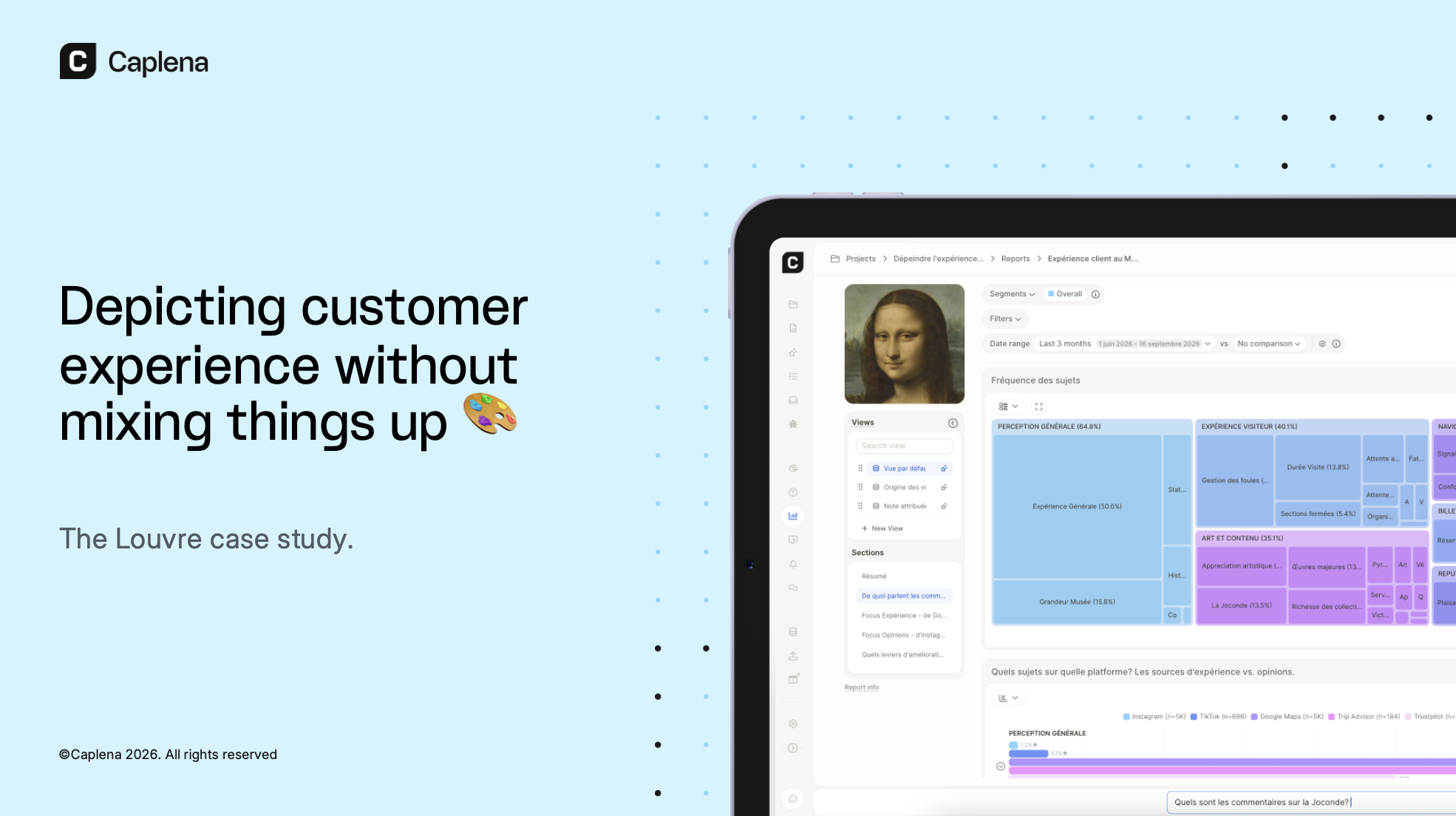
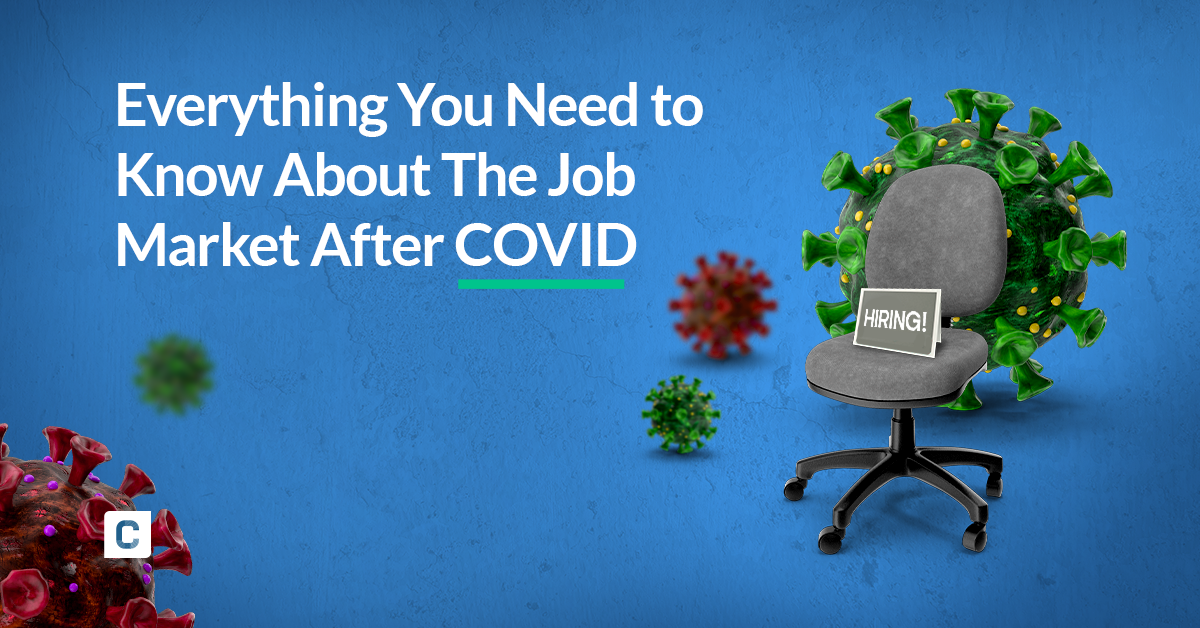
Everything You Need to Know About The Job Market After Covid 🦠
In the last two years, our work practices have undergone some significant changes. At the present time, there appears to be an increase in the number of job switches. This article examines the reasons for this by analyzing various studies – as well as our own in-house survey.
6 Things That Make Christmas Markets so Irresistibly Christmassy
What are the most common things people mention when they talk about their most recent Christmas market visit? To find out, we studied three highly rated – but different – Christmas markets to analyze their Google reviews.
How to Collect Surveys and Conduct Feedback Analysis in 1 Day
The research world is like a toolbox. Within the toolbox are surveys, focus groups, and experiments. Recently, the size of this toolbox has increased with social media, internet-based surveys, and mobile phones being used more frequently...
Analyzing Netflix Open-Ended Feedback: A 3½-Step Video Tutorial
This tutorial is all about Netflix! : We’ll take you through every step required to evaluate your open texts with the help of AI. If you follow the 3 required steps described in the guide below in all detail, it will take you approximately 45 minutes to get to achieve these results.
Customer Review Champion: Adidas vs Nike
Who is the GOAT, Messi or Ronaldo? Are you a Derrick Rose or LeBron James fan? Do you prefer Collin Morikawa or Rory McIlroy? Depending on your answers, it is likely we could predict your favorite footwear brand. How?
Five Guys’ Marketing Strategy: A Customer Review Analysis
Five Guys caters to burger lovers seeking high-quality food and friendly service – all while keeping things simple. To understand how Five Guys operates its successful marketing strategy, we analyzed 1,236 Google Maps reviews using the text analysis tool, Caplena.
Everything You Need to Know About The Job Market After Covid 🦠
In the last two years, our work practices have undergone some significant changes. At the present time, there appears to be an increase in the number of job switches. This article examines the reasons for this by analyzing various studies – as well as our own in-house survey.
6 Things That Make Christmas Markets so Irresistibly Christmassy
What are the most common things people mention when they talk about their most recent Christmas market visit? To find out, we studied three highly rated – but different – Christmas markets to analyze their Google reviews.
How to Collect Surveys and Conduct Feedback Analysis in 1 Day
The research world is like a toolbox. Within the toolbox are surveys, focus groups, and experiments. Recently, the size of this toolbox has increased with social media, internet-based surveys, and mobile phones being used more frequently...